Why every journey begins in Morocco
Jebel Irhoud in Morocco offers a remarkable window into early Homo sapiens. Explore the discovery, its limits, and a thoughtful way to plan your own journey.
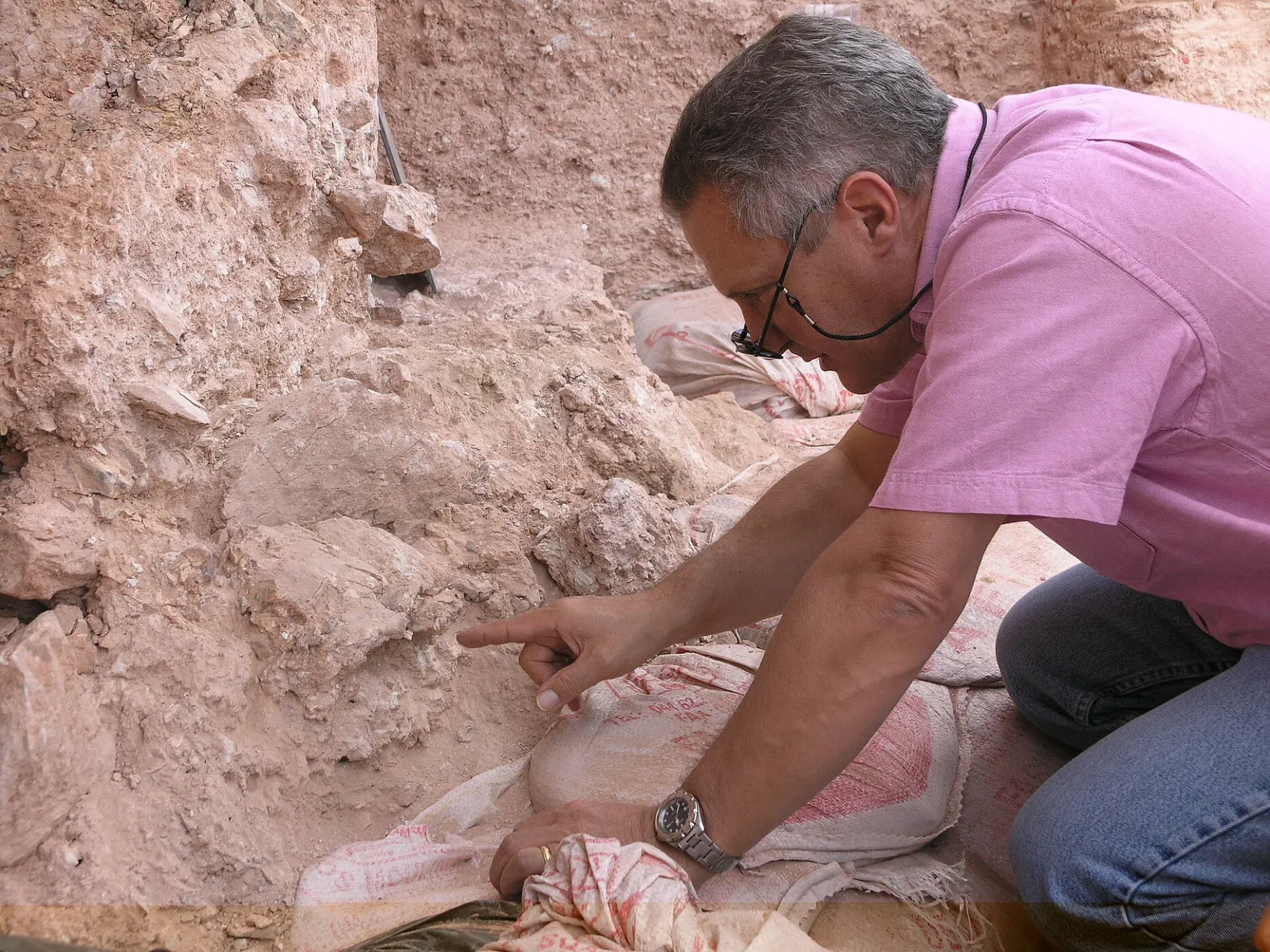
Jebel Irhoud, Morocco, gives travelers a reason to look beyond the next landmark. Research published in 2017 placed fossils associated with early Homo sapiens at roughly 315,000 years old. The discovery made Morocco an important part of a much wider African story of human origins.
For Apollo Earth Travel, that sense of perspective is where a journey begins. Come with questions about the places you visit, leave time to listen, and let the route grow from your interests. A medina, a mountain landscape or a conversation about a craft can each deserve more attention than a hurried stop allows.
What Jebel Irhoud tells us about human origins
Jebel Irhoud is an archaeological site in western Morocco. Its fossils, stone tools and surrounding deposits helped researchers reconsider the age and geographic spread of early members of our species. Two studies in Nature brought the findings to a wider audience in 2017.
The dating study reported a weighted average age of 315,000 years, with an uncertainty of about 34,000 years, for heated stone artifacts associated with the fossils. That is an estimate with a range. It should be understood as evidence about a period in our species’ development, rather than an exact birthday for humanity.
The fossil study described a mixture of features resembling those of later humans and more ancient characteristics. Taken together, the papers support a picture in which the emergence of Homo sapiens involved populations across Africa. Morocco holds an important piece of that evidence. The findings do not establish a single, exclusive birthplace for all humanity.
You can read the original fossil study by Hublin and colleagues and dating study by Richter and colleagues for the scientific detail.
Why Apollo’s journey starts in Morocco
Apollo’s Origin Trail begins in Morocco. Its exploration theme is an invitation to pay attention to Earth and to our place on it. The archaeological record gives that curiosity depth, while the experience of traveling belongs to the people and places you meet today.
Think of origins as a question to carry with you. What can a landscape reveal about the way people live? How does a craft change from one maker to another? What would you understand better if you stayed another morning? Those questions can shape a trip without turning every stop into a lesson.
The theme also leaves room for ordinary pleasures. Time to eat, walk, rest and return to somewhere you enjoyed gives a journey its own rhythm. You do not need to cover an entire country to make the experience worthwhile.
Meet the Morocco that is here today
Morocco’s contemporary communities deserve attention in their own right. A workshop, market or neighborhood is part of someone’s daily life. Ask before photographing people, listen to how a maker describes their work, and discuss what a proposed encounter actually involves.
Apollo’s Morocco cultural experiences provide a starting point for exploring interests such as pottery, weaving and food traditions. Ask which location and format match your route, whether the encounter is a demonstration or a hands-on activity, and what is included in the proposal.
A quiet conversation may be more rewarding than adding another scheduled visit. Keep some space between activities, especially when your group has different interests or energy levels. An itinerary should make it possible to notice the place you have come to see.
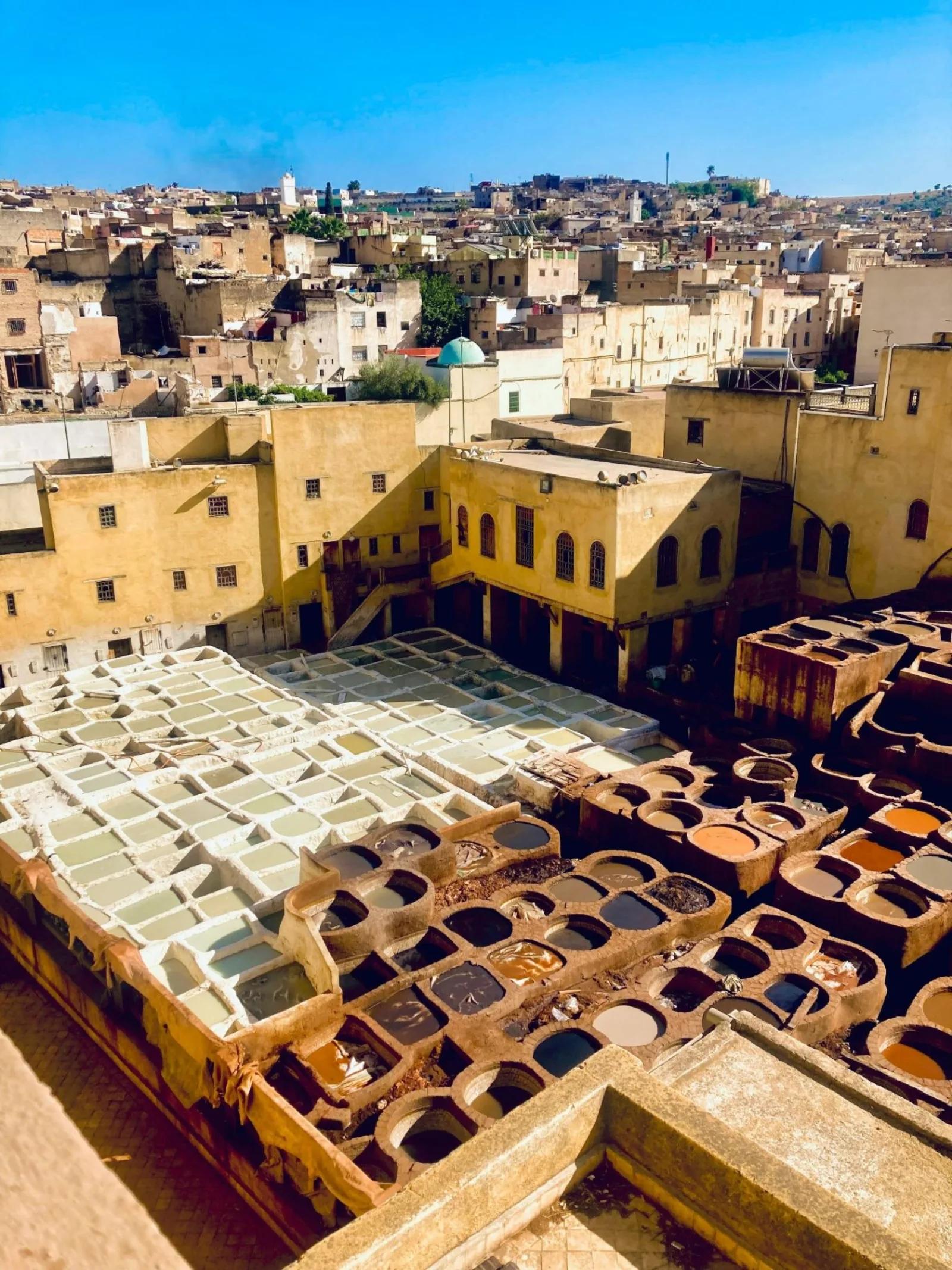
Give each landscape enough time
A route through cities, the Atlas and the Sahara asks you to make choices about distance, daily effort and overnight stops. Start with the experience you most want, then decide what else fits around it. Adding destinations also adds transfers and decisions about accommodation.
If cultural visits are your priority, protect time within each city. If you want a mountain stage, discuss the walking involved and the kind of stay you prefer. If the desert is central to your plans, ask how its travel days fit into the full journey. The best combination depends on your dates and pace.
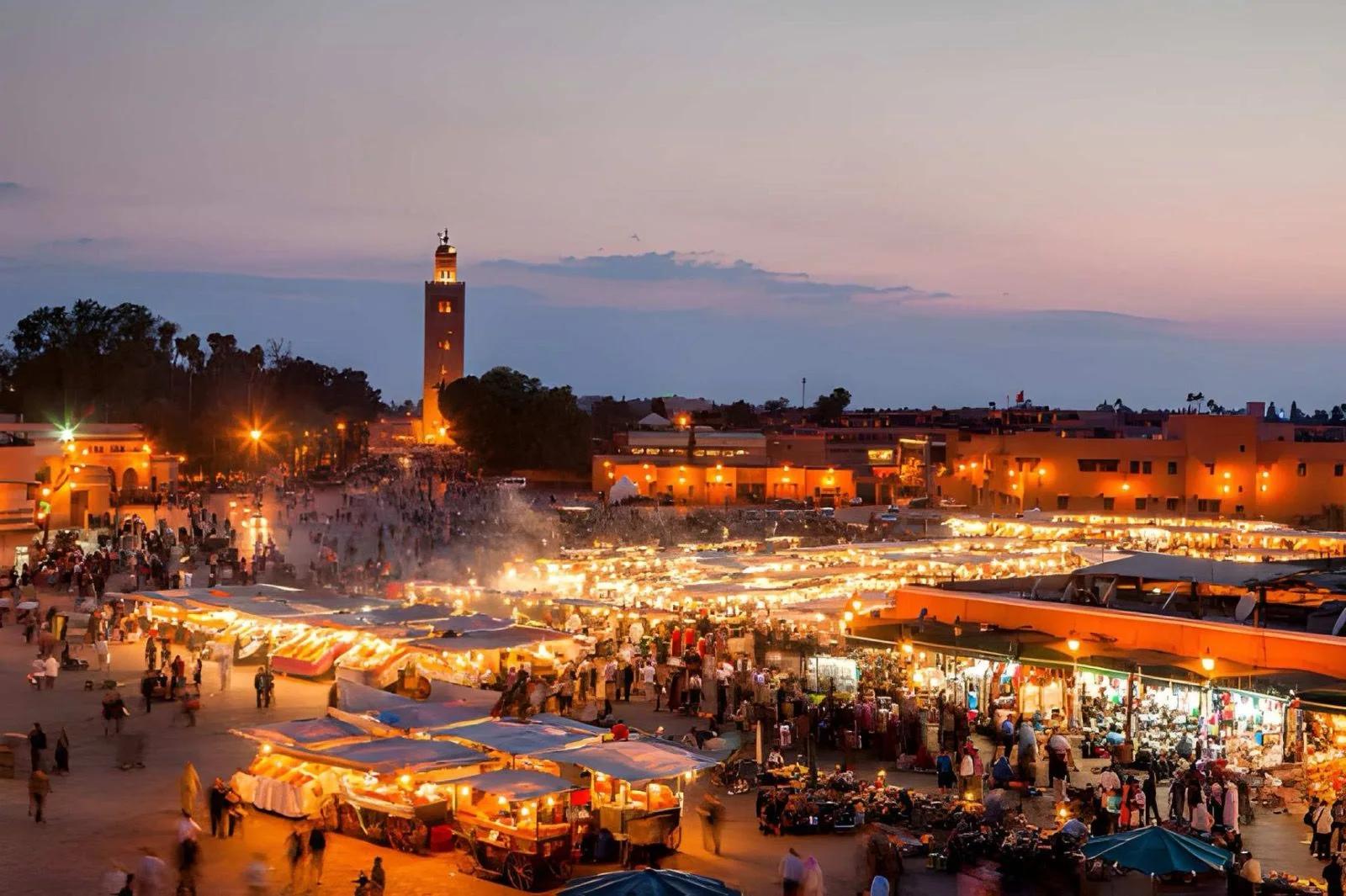
Use Apollo’s Morocco tour collection to compare existing routes, then ask which details can be adapted. A place mentioned in an article or shown in a photograph should not be treated as an included stop until it appears in your agreed itinerary.
Planning around Jebel Irhoud
If the discovery is a reason for your trip, raise it at the start of your enquiry. Ask what can currently be arranged, who can confirm access, and whether a suitable museum or heritage visit offers a better way to explore the subject.
Public access, visitor facilities and guiding arrangements at an archaeological site need specific confirmation. Make alternative plans while those questions are checked. Read about the research beforehand, and use sources that distinguish excavated evidence from a broad story about human migration.
Frequently asked questions
How old are the Jebel Irhoud discoveries?
The 2017 dating study reported an average age of about 315,000 years, with an uncertainty of approximately 34,000 years, for heated stone artifacts associated with the fossils. “Roughly 315,000 years old” is a useful summary when that uncertainty and context are kept in mind.
Does this prove that all humans originated in Morocco?
The studies support Morocco’s importance in the early history of Homo sapiens and a wider African picture of our origins. They do not identify Morocco as the sole birthplace of humanity. Fossils document part of a long process, and interpretations develop as evidence grows.
Can Apollo arrange a visit to Jebel Irhoud?
Ask the team to check current access and any relevant arrangements before making it part of your route. This article does not confirm an available site visit. Any proposed stop needs an agreed location, access conditions, guiding arrangements and place in the itinerary.
How do I plan a trip around culture and human origins?
Tell Apollo what interests you, how long you have and how much movement you want between stays. Discuss cultural encounters, appropriate heritage visits and time to explore independently. Ask which options are confirmed and which still need checking before you make a booking decision.
Begin with curiosity
Morocco offers a compelling starting point for Apollo’s exploration of Earth. The story of Jebel Irhoud adds perspective, and the trip itself takes shape through the time you give to places and people. Begin with a few clear interests and build a route that allows you to follow them.
Request a tailored Morocco itinerary with your dates, party size, approximate trip length and interests. Mention human origins or cultural encounters if you would like the team to explore suitable options.
Sources and further reading
- Hublin and colleagues, Nature, 2017. New fossils from Jebel Irhoud, Morocco and the pan-African origin of Homo sapiens.
- Richter and colleagues, Nature, 2017. The age of the hominin fossils from Jebel Irhoud, Morocco, and the origins of the Middle Stone Age.
- Max Planck Institute for Evolutionary Anthropology. Research announcement, 7 June 2017.
- Featured photo by Shannon McPherron, MPI EVA Leipzig (CC BY-SA 2.0). Converted to WebP.